Kinder Planner Font
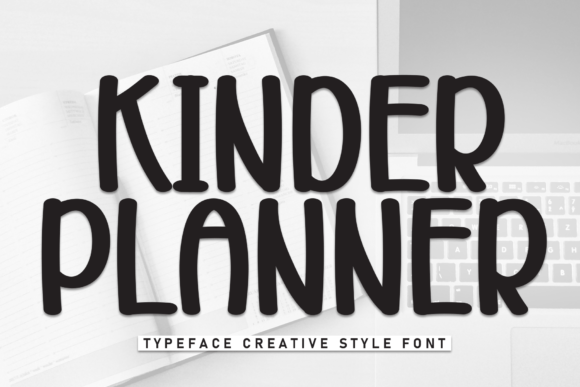
There’s something about the way Kinder Planner sits on a page that feels like a warm hug. I was working on a set of candle labels the other day, and I knew right away that this font would be perfect. Its rounded edges and gentle curves give it a friendly, approachable feel—like a hand-picked note from a friend.
Kinder Planner is a casual sans-serif typeface with a laid-back vibe. It doesn’t shout, but it does have a quiet confidence. The subtle variations in stroke width add a touch of character without being too flashy. It’s clean, but not sterile. It’s modern, but not cold. That balance makes it ideal for handmade products where warmth and personality matter just as much as clarity.
I’ve used Kinder Planner on everything from greeting cards to wedding invitations. For a recent batch of birthday cards, I paired it with a soft pastel background and some hand-drawn illustrations. The font brought a sense of playfulness that matched the theme perfectly. It also works well when you want to keep things simple but still feel intentional.
One of my favorite uses for Kinder Planner has been on farmhouse signs. Whether it’s a “Welcome” sign for a porch or a “Good Things Come to Those Who Wait” message for a shop window, the font adds a cozy, inviting tone. It’s versatile enough to work with both rustic and minimalist designs.
For digital printables, Kinder Planner shines as a display font. I’ve created printable wall art and planner pages using it, and the results are always charming. It’s great for headings, titles, and decorative elements. But I’ve also found that it can handle short phrases pretty well. Names, dates, and small captions look nice and readable without feeling cramped.
When it comes to physical products, like tote bags or mugs, Kinder Planner adds a personal touch. I designed a set of seasonal tags for a holiday collection, and the font gave each tag a unique, handmade feel. It’s easy to read at a glance, which is important for product labels and tags. Plus, its rounded shapes make it less harsh on the eyes, which is a big plus for any design meant to be seen up close.
For those using cutting machines like Cricut or Silhouette, Kinder Planner is a reliable choice. Its clean lines make it easy to cut without losing detail. I’ve tested it on stickers and small labels, and it holds up well even at smaller sizes. Just make sure to check the font’s weight and spacing before sending it to the machine.
When designing packaging, I often pair Kinder Planner with a simpler sans-serif or a delicate script. This creates a nice contrast while keeping the overall look cohesive. It’s also a good idea to test the font in different sizes and formats to see how it looks on mockups, listing images, and actual merchandise.
If you’re planning to use Kinder Planner for commercial purposes, be sure to check the licensing details. Some fonts come with restrictions on how they can be used, especially if you’re selling physical products or digital downloads. Kinder Planner likely has a commercial license, but it’s always best to confirm before finalizing your designs.
The font also supports multiple languages, which is helpful if you’re creating products for a broader audience. Whether you’re making greeting cards for a local shop or designing digital templates for an online store, Kinder Planner offers flexibility without sacrificing style.
What I love most about Kinder Planner is how it feels like a part of the creative process. It doesn’t just sit on a page—it helps tell a story. From candle labels to seasonal signs, it brings a sense of care and thoughtfulness to every project. It’s the kind of font that makes you want to slow down, take a breath, and enjoy the little details.
Whether you’re a crafter, a handmade seller, or a stationery designer, Kinder Planner is a valuable addition to your design toolkit. It’s practical, expressive, and perfect for projects that need a touch of warmth and charm.
As I finish up another batch of labels, I can’t help but smile. Kinder Planner isn’t just a font—it’s a companion in the creative journey. It helps turn ideas into something real, something beautiful, and something that people will remember.